If you’ve started typing “campgrounds near Asheville, NC” into a search bar, you’re already on the right track. Western North Carolina is one of the best camping regions in the Southeast, and Asheville is the perfect launchpad for everything from craft breweries and Blue Ridge Parkway overlooks to whitewater rivers and quiet hiking trails.
The trick is finding a campground that gets you close to the action without sticking you in a parking lot of RVs. We’ve put together this insider’s guide to help you pick the right basecamp for your trip — what to look for, what’s nearby, and a few honest tips from folks who camp these mountains for a living.
What to Look for in a Campground Near Asheville
Asheville sits at the heart of a huge outdoor playground that includes Pisgah and Nantahala National Forests, the Blue Ridge Parkway, and dozens of rivers and lakes. Not every campground is built the same, though, and where you stay shapes your whole trip.
Here are the things that matter most when you’re picking a site:
- Proximity to downtown Asheville. Anything within 45 minutes gives you easy access to the River Arts District, the South Slope brewery scene, and Biltmore.
- Water access. A river, creek, or lake on-site can transform a weekend, especially in summer when temps creep into the 80s.
- Hookups vs. primitive. If you’re rolling in with an RV, you’ll want full hook-ups. Tent campers often prefer a quieter, less-developed loop.
- Pet policy. If you’re traveling with your dog, look for a campground with a leash policy that still lets dogs enjoy the river or trails.
- Activities on-site. The best campgrounds give you something to do without ever leaving — tubing, kayaking, fishing, swimming, or hiking trails right out your door.
The Best Areas to Camp Near Asheville
“Near Asheville” can mean a lot of things depending on where you’re coming from. Here’s how the camping geography breaks down:
South of Asheville: Saluda and the Green River
About 35 minutes south of downtown, the small mountain town of Saluda hugs the edge of the Blue Ridge escarpment. This is where the Green River cuts through a gorge that’s quietly become one of the Southeast’s most loved tubing and paddling rivers. It’s also where you’ll find Wilderness Cove Campground, sitting directly on the river at the entrance to the Green River Game Lands.
Saluda is a sweet spot for travelers who want easy Asheville access with a quieter, more rural feel. You’re 35 minutes to Asheville, 20 minutes to Hendersonville, and walking distance to a railroad-town main street with a great bakery, a coffee shop, and a couple of family-run restaurants.
East of Asheville: Black Mountain and Lake Lure
This area gives you mountain views and access to Chimney Rock State Park, plus a quick drive into Asheville. Lake Lure is gorgeous but tends to be busier, especially on summer weekends.
North of Asheville: The Blue Ridge Parkway Corridor
If you want to wake up to long-range views and string together stops along the Blue Ridge Parkway, the corridor north of Asheville delivers. Mt. Mitchell and Craggy Gardens are both within easy reach.
West of Asheville: Brevard and Pisgah
Brevard and the Pisgah National Forest district are paradise for waterfall hunters and fly anglers. It’s about 45 minutes from downtown Asheville and gives you instant access to some of the most photographed waterfalls in the East.
Why Wilderness Cove Stands Out
We’re a little biased — Wilderness Cove is one of our retreats — but here’s the honest pitch. It earned its place on this list because it does a few things genuinely well:
- It’s directly on the Green River. You can step out of your tent or cottage and be in the water in two minutes. That’s rare for a campground this close to Asheville.
- It’s a true four-season destination. Summer is built around tubing and swimming. Fall foliage in mid-September through early November is jaw-dropping. Winter is quiet and starry. Spring is the secret season — wildflowers, easy hikes, and almost no crowds.
- Variety of stays. Tent sites, full hook-up RV sites, water-and-electric RV sites, glamping tents, cottages, and the Green River Guest House. There’s a price point and comfort level for almost everyone.
- On-site amenities. A bathhouse, a camp store and a fly shop mean you can show up unprepared and still be set.
- Pet-friendly. Dogs are welcome on-site (leash required outside the dog run).
If you’re planning a tubing trip on the Green River, you’re already in the right spot. Tubing season at Wilderness Cove typically runs from mid-May through mid-September, on Thursdays, Fridays, Saturdays and Sundays. Booking a campsite at the put-in is by far the easiest way to do it — no driving, no shuttle hassle.
When to Camp Near Asheville
Western North Carolina has four real seasons, and each one offers something different. Here’s the quick rundown:
Spring (March–May)
Wildflowers, thundering waterfalls, and almost no crowds. Daytime highs run from the 60s into the 70s, with cool nights still in the 40s. Pack layers and a real sleeping bag. Trails like those in the American Hiking Society network are at their best, and rivers are running full from snowmelt and spring rain.
Summer (June–August)
Peak season. Highs in the low 80s in the mountains (cooler than the lowlands), tubing and swimming are in full swing, and the occasional afternoon thunderstorm rolls through. Book early — popular weekends fill up months in advance.
Fall (September–early November)
The best foliage in the East, in our opinion. Crisp mornings, blue-sky afternoons, and a steady parade of leaf-peepers along the Parkway. Mid-October is the typical color peak, but it varies by elevation.
Winter (December–February)
Quiet, beautiful, and underrated. If you don’t mind cold mornings, you’ll have trails and overlooks largely to yourself. RV sites and a few four-season cabins stay open year-round.
Things to Do Near Your Asheville Campground
You’re not just paying for a place to sleep — you’re paying for what’s nearby. Here are the highlights worth working into your trip:
- Tubing on the Green River. Floatable for all skill levels in the lower stretch. The upper section is a serious whitewater run for experts only.
- Hiking the Pisgah trails. Looking Glass Falls, Sliding Rock, and the trail to Black Balsam Knob are all classics.
- Blue Ridge Parkway driving. Even a short out-and-back from one of the Asheville exits is worth the time.
- Downtown Asheville. Plan one evening for the South Slope brewery district, the River Arts District, or a meal in West Asheville.
- Biltmore Estate. Touristy, yes, but the gardens and grounds are stunning, especially in spring and fall.
- Fly fishing. The Davidson, the Green, and the upper French Broad are all fishable trout water. Pick up a license through the North Carolina Wildlife Resources Commission before you cast.
Booking Tips for Asheville-Area Campgrounds
The Asheville camping market is busy. A few things make life easier:
- Book 3–6 months ahead for summer weekends and any fall weekend in October.
- Mid-week stays are the best deal. Tuesday through Thursday tends to be quieter and easier to book last-minute.
- Read the cancellation policy. Mountain weather changes fast. Look for flexible windows.
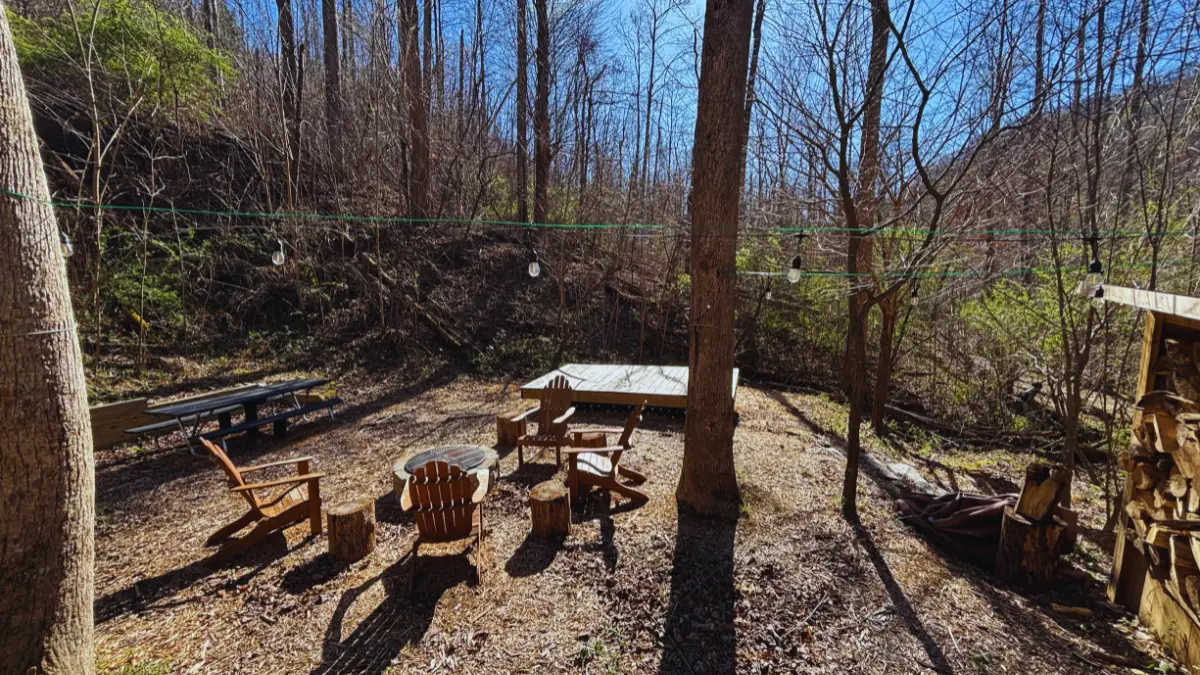
- Check site-specific photos. “Riverfront” can mean different things at different campgrounds. A good operator will show you the actual site.
- Pack for cooler nights. Even in July, mountain nights can dip into the 50s. A warm layer and a real sleeping bag go a long way.
Leave No Trace, Always
One last thing. The reason Western North Carolina still feels like Western North Carolina is because generations of campers have taken care of it. Pack it in, pack it out. Stay on trails. Keep fires in designated rings. Visit Leave No Trace for the seven principles if you’re new to it. You’ll camp better, and you’ll leave the place better than you found it.
Frequently Asked Questions
How far is Wilderness Cove from downtown Asheville?
Wilderness Cove is about 35 to 40 minutes south of downtown Asheville by car. It’s just outside Saluda, NC, sitting on the Green River at the entrance to the Green River Game Lands. You’re close enough for a dinner or brewery run downtown, but far enough away to actually feel like you’re in the mountains.
What’s the best time of year to camp near Asheville, NC?
It depends on what you want. Late spring (May) and early fall (mid-September to mid-October) are the sweet spots for weather and lower crowds. Summer is best for tubing, swimming, and waterfall hikes. October is peak foliage but also peak crowds — book early.
Are there campgrounds near Asheville that are open year-round?
Yes. Wilderness Cove keeps RV sites and select cabins open through all four seasons, and a handful of other campgrounds in the region operate year-round. Tent and primitive options vary by property. Always confirm seasonal hours before you book a winter trip.
Can I bring my dog camping near Asheville?
Most campgrounds in the area, including Wilderness Cove, are pet-friendly. Standard policies require dogs to be on a leash anywhere outside designated dog runs and up to date on vaccinations for longer stays. Always check a specific campground’s pet policy before booking, and bring waste bags.
Do I need a reservation, or can I drive up and find a site?
For weekends from May through October, plan on reserving in advance — often months out for prime weekends. Mid-week and shoulder-season stays are easier to grab last-minute, but the safest bet is always to book ahead, especially if you have specific site preferences.