
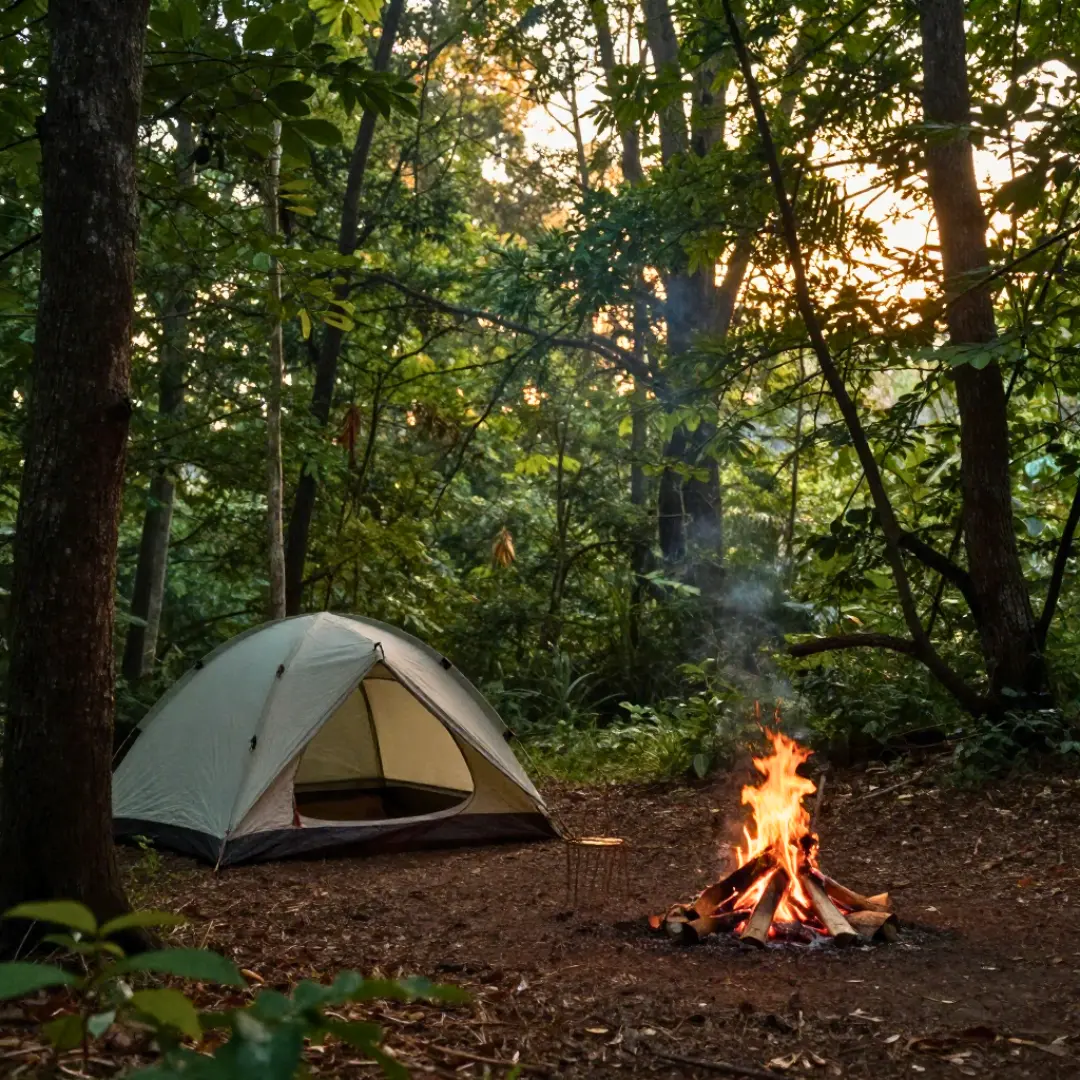
In today’s fast-paced digital world, the concept of “unplugging” may feel daunting — yet for many of us, it’s become exceptionally necessary. We’re constantly bombarded by notifications, news feeds, and glowing screens. It never really stops. And somewhere in the middle of all that noise, a lot of us have lost touch with something that used to come naturally: time spent outside, away from it all.
For those who choose to gather around a campfire in the Southeast — whether along a winding river, tucked beside a quiet lake, or deep in the Blue Ridge Mountains — the great outdoors offers something no app ever could. It offers real rest, real connection, and a real reset.
This guide explores the many benefits of a tech-free outdoor escape, the best types of locations to do it in the Southeast, and practical tips to help you actually disconnect — and stay that way long enough to feel the difference.
Why Unplugging Matters More Than Ever
The numbers are hard to ignore. According to the American Psychological Association, nearly 1 in 5 Americans reports that technology use is a significant source of stress in their lives. Screen time has skyrocketed in recent years — adults now average over seven hours per day in front of screens, not including work. That’s more than half of our waking hours.
The mental and physical toll is real. Excessive screen exposure has been linked to increased anxiety, disrupted sleep, reduced attention spans, and a growing sense of disconnection from the people and places around us. The irony? We’re more “connected” than ever online, yet more isolated in meaningful ways than previous generations.
Nature offers a counterbalance that researchers have been studying for decades. Studies published by the American Psychological Association show that spending time in natural environments reduces cortisol levels, lowers blood pressure, and significantly improves mood. Even just 20 minutes outside can measurably reduce stress.
Camping, in particular, is one of the most effective ways to force a full reset. When you’re tubing down a river, fishing at sunrise, or sitting around a campfire with people you love — there’s simply no room for your phone.
The Real Benefits of a Tech-Free Outdoor Retreat
A technology-free weekend in nature isn’t just a nice idea — it’s a genuinely transformative experience. Here’s what most people notice when they actually commit to unplugging:
Mental Clarity and Reduced Anxiety
Stepping away from the constant stream of information gives your brain the breathing room it rarely gets. Nature has a unique way of slowing your thoughts down. Many people report feeling calmer, more focused, and less reactive after even just one night away from screens. This mental reset can last for days after returning home.
Enhanced Creativity and Problem-Solving
There’s a reason so many people say their best ideas come to them on walks or in the shower — both situations where phones are (hopefully) put away. Disconnecting from digital distractions allows your brain to enter a more relaxed, free-associative state that’s actually more conducive to creative thinking. Research published in Nature suggests that outdoor environments stimulate divergent thinking, the kind of open-ended mental exploration that drives innovation and problem-solving.
Improved Physical Health
Swapping screen time for outdoor activity — hiking a trail, paddling a kayak, tubing down a river — delivers real physical benefits. You’re moving your body, breathing fresh air, and absorbing vitamin D from natural sunlight. Even relaxed campsite activities like setting up a tent, gathering wood, or exploring a nature trail add up to meaningful movement throughout the day.
Deeper Connections with the People Around You
One of the most commonly reported benefits of camping trips is the quality of conversation and connection people experience. Without the distraction of phones, people actually talk — really talk. Stories get shared around the campfire. Kids and parents rediscover how to just hang out together. Friendships deepen. That’s something no app can replicate.
Better Sleep
Exposure to natural light during the day and darkness at night helps reset your body’s circadian rhythm. Many campers report sleeping better on their first night outdoors than they have in months. Campfire light is warm and low, screens are gone, and the sounds of nature are surprisingly effective at lulling people to sleep.
The Best Types of Outdoor Retreats in the Southeast for Unplugging
The Southeast is one of the most diverse outdoor destinations in the country. From mountain rivers to coastal marshes to wooded lakeshores, there’s no shortage of beautiful, tech-free-friendly escapes. Here are some of the best environments to consider for your next digital detox:
Riverside Campgrounds
Few things are more grounding than falling asleep to the sound of moving water. Campgrounds set alongside rivers — like Wilderness Cove Campground on the Green River in North Carolina — offer a built-in activity schedule that keeps you off your phone naturally. Tubing, kayaking, fishing, and riverside hiking fill the day, and by evening, the campfire and the current are all you need.
The Green River Gamelands, accessible directly from Wilderness Cove, offer miles of trails through some of the most stunning wilderness in Western North Carolina. It’s the kind of place where cell service is spotty anyway — which, in this case, is a feature, not a bug.
Lakeside Retreats
Lake campgrounds and RV parks in the Southeast provide a slower, more relaxed pace perfect for families or groups looking to unwind. Whether you’re fishing from the bank, paddling a kayak, or just sitting in a chair watching the sun go down over the water, lake settings naturally encourage stillness. Campgrounds near lakes like Wanee Lake in Georgia combine that peaceful waterfront access with amenities like golf, recreation areas, and on-site dining — making it easy to stay busy without ever touching a screen.
Mountain and Forest Getaways
The Blue Ridge Mountains are hard to beat for sheer natural beauty. Camping at elevation brings cooler temperatures, dramatic views, and a sense of being genuinely removed from the everyday world. The combination of fresh mountain air, towering trees, and winding trails makes it easy to stay present. Whether you’re hiking to a waterfall or just sitting on a ridge watching the clouds roll in, the mountains have a way of putting everything in perspective.
Marina and Waterfront Properties
For boaters, anglers, and water lovers, a waterfront campground or marina retreat offers a unique form of unplugging. The rhythm of tides and currents, the focus required to fish or navigate on the water — these activities are naturally meditative. Crescent Fish Camp in Florida is a great example of a property that blends a laid-back waterfront atmosphere with the kind of outdoor activity that keeps you off your phone all day long.
How to Actually Disconnect: Tips for a Successful Tech-Free Trip
Unplugging sounds great in theory. But if you’ve ever found yourself reflexively reaching for your phone on a camping trip, you know it takes a little planning. Here’s how to set yourself up for success:
Set Clear Expectations Before You Leave
Let friends, family, and coworkers know you’ll be off the grid. Set an out-of-office auto-reply, put your phone on Do Not Disturb, and decide in advance whether you’re going fully device-free or keeping one device available for emergencies only. The boundary you set before you leave is the one you’ll actually stick to.
Pack Activities That Pull You Outdoors
Boredom is what drives people back to their phones. Fill your trip with activities that naturally demand your attention — fishing, hiking, paddleboarding, campfire cooking, card games, or stargazing. REI’s guide to camping activities is a great resource for ideas if you’re planning a trip with kids or a group with varied interests.
Create a Tech-Free Zone at Your Campsite
Designate the campfire area as a phone-free zone. This simple rule creates a shared commitment among your group and keeps the focus on conversation, s’mores, and the kind of storytelling you’ll actually remember. It’s also a great habit to model for kids.
Practice Mindfulness Outdoors
Take advantage of the natural environment to slow down intentionally. Try morning journaling, a guided nature walk, or just sitting quietly near the water for 10 minutes with no agenda. These small practices deepen the experience of being present and make the trip feel restorative rather than just a change of scenery.
Ease Back Into Technology After Your Trip
One underrated tip: don’t immediately dive back into your phone the moment you get home. Give yourself a buffer — even just a few hours — to hold onto that calm, grounded feeling before re-entering the digital world. You’ve earned it.
What to Expect After You Unplug
Most people who commit to a genuine tech-free outdoor getaway come back changed — even if just a little. They sleep better. They feel less reactive. They have things to talk about. They remember what it feels like to be bored in a good way — the kind of boredom that leads to creativity, rest, and spontaneous adventure.
An outdoor retreat doesn’t just put distance between you and your devices. It puts you back in relationship with your environment, your people, and yourself. That’s something you can’t download.
Whether it’s a weekend at a riverside campground in the mountains of North Carolina, a few days on a quiet Georgia lake, or an extended stay at a waterfront marina in Florida — the Southeast has everything you need for a meaningful digital detox. All you have to do is show up, leave the charger at home, and let nature do the rest.
Ready to Plan Your Tech-Free Escape?
At Outdoor Adventure Retreats, we operate campgrounds, RV parks, and waterfront properties across the Southeast — each one designed to help you slow down, breathe easier, and reconnect with what matters. From the Green River in North Carolina to the lakes of Georgia to the waterways of Florida, we’ve got a spot waiting for you.
Browse our locations and start planning your next outdoor adventure today. Your phone can wait — the campfire can’t.
Frequently Asked Questions About Unplugging in Nature
How long does it take to truly unplug on a camping trip?
Most people start to feel the mental shift within 24 to 48 hours. The first day can feel restless, especially if you’re used to constant connectivity. By day two, most campers report feeling noticeably calmer and more present. A three-night trip is often considered the sweet spot for a genuine reset.
Is it safe to camp without my phone?
It’s smart to keep one device available for emergencies, even if you’re not using it socially. Let someone at home know your location and expected return. Many campgrounds also have staff on-site who can assist in case of an emergency. The National Park Service offers helpful camping safety guidelines worth reviewing before any outdoor trip.
What are the best outdoor activities for a digital detox trip?
Anything that requires your hands and attention works great — fishing, kayaking, tubing, hiking, campfire cooking, or even hammock reading. The goal is to stay engaged with your surroundings so the urge to check your phone naturally fades.
Can I bring kids on a tech-free camping trip?
Absolutely — and kids often adapt faster than adults. Pack plenty of outdoor games, encourage exploration, and let them help with campsite tasks like gathering wood or setting up the tent. Many kids rediscover a love for the outdoors when screens are taken out of the equation.