
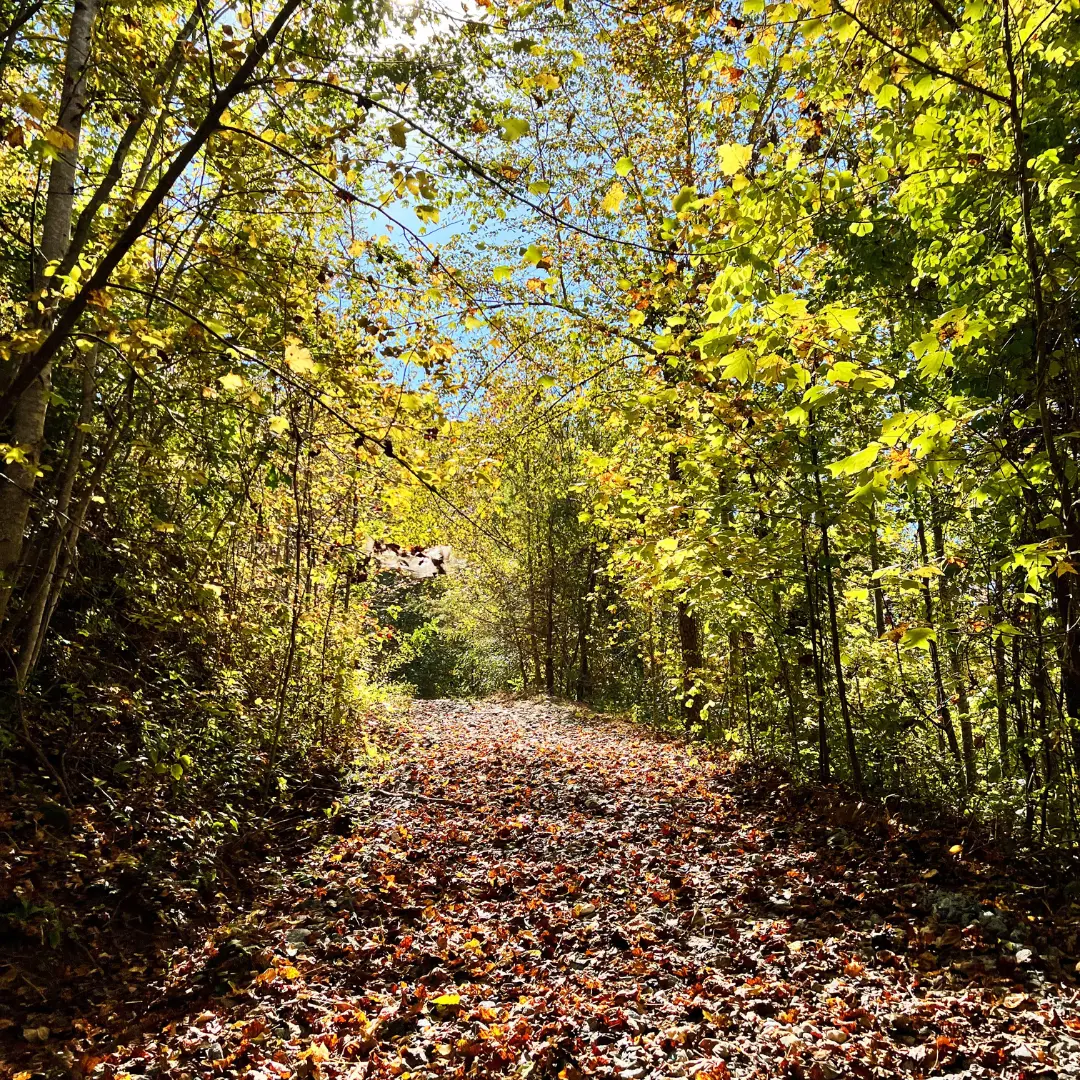
There’s something almost magical about stepping onto a trail that feels like it belongs entirely to you. No shoulder-to-shoulder crowds, no noise, no waiting in line at a trailhead — just you, the trees, and the kind of quiet that only the deep woods can offer. The Southeast is absolutely loaded with hiking gems like this, and most of them fly completely under the radar.
While trails like the Appalachian Trail and Smoky Mountains hotspots get all the glory, the region is hiding hundreds of lesser-known paths that offer equally stunning scenery, incredible biodiversity, and a true sense of adventure. If you’re ready to get off the beaten path, this guide is for you.
Why the Southeast Is a Hiker’s Hidden Paradise
The southeastern United States spans a remarkable range of ecosystems — from the misty Blue Ridge highlands of western North Carolina to the cypress swamp trails of Florida, the red clay piedmont of Georgia, and the coastal flatwoods of the Carolinas. This diversity means that no matter what kind of hiker you are, the Southeast has something waiting for you.
The Southeast is home to more than 130 million acres of forested land, much of it accessible via trails that see only a fraction of the traffic of more famous routes. According to the U.S. Forest Service, the Southeast region manages some of the most ecologically diverse national forests in the country, including Nantahala, Pisgah, and Chattahoochee-Oconee — all rich with trail networks that reward the curious hiker.
And the wildlife? Let’s just say you won’t be disappointed. Black bears, white-tailed deer, wild turkeys, river otters, box turtles, and a dazzling array of songbirds and raptors are all regular trail companions throughout the region.
Lesser-Known Hiking Trails Worth Seeking Out
Green River Gamelands – Polk County, North Carolina
Tucked into the rugged terrain of Polk County, the Green River Gamelands offer some of the most dramatic and least-visited hiking in all of western North Carolina. The gamelands span thousands of acres of wild, undeveloped land carved by the Green River gorge — a steep, lush canyon with waterfalls, hemlocks, and the kind of scenery that makes you stop mid-stride just to take it in.
Trails here wind through dense hardwood forests and along rocky ridgelines, with elevation changes that’ll give your legs a real workout. Wildlife sightings are common, including wild turkey, deer, and a wide variety of migratory songbirds. Spring wildflower season — typically late March through May — turns the forest floor into a patchwork of trillium, bloodroot, and wild ginger.
If you’re planning a visit, Wilderness Cove Campground sits right at the entrance to the Green River Gamelands in Saluda, NC, making it the perfect home base for exploring these trails. The campground offers tent sites, RV hookups, glamping tents, and cabins — and after a long day on the trail, there’s nothing better than cooling off in the Green River just steps from your site.
Silver Comet Trail – Northwest Georgia
The Silver Comet Trail stretches over 60 miles through the rolling hills of northwest Georgia, following the old Seaboard Air Line Railway corridor from Smyrna to the Alabama state line. While portions near Atlanta see decent traffic, the western sections — particularly around Cedartown and Cave Spring — offer a peaceful, almost meditative experience that feels miles away from the city.
The trail is mostly flat and paved, making it accessible for hikers of all fitness levels, including families with young kids. The landscape shifts beautifully from open meadows to wooded canopy tunnels, and the rural countryside of Polk and Floyd counties has a quiet, unhurried charm that’s hard to find elsewhere. Keep your eyes open for red-tailed hawks, great blue herons, and the occasional white-tailed deer grazing in the fields alongside the path.
Cedar Creek RV & Outdoor Center in Cave Spring, Georgia is a great launching point for Silver Comet Trail adventures — it’s just minutes from the trail and offers full hookup RV sites, tent camping, and a creekside setting that feels like a reward in itself.
Congaree National Park – South Carolina
Most people drive right past South Carolina on their way to the mountains or the beach, but Congaree National Park is one of the Southeast’s most underrated natural treasures. It protects the largest intact expanse of old-growth bottomland hardwood forest in the country, with towering loblolly pines, bald cypresses, and a floodplain ecosystem that feels prehistoric.
The Boardwalk Loop Trail (2.4 miles) is the most accessible option, but the park’s backcountry trails — like the Weston Lake Loop and the River Trail — take you deeper into a world of Spanish moss, mirrored floodwaters, and cathedral-like forest. According to the National Park Service, Congaree is home to some of the tallest trees in the eastern United States and supports an extraordinary diversity of bird species, making it a bucket-list destination for birders and nature lovers alike.
Cohutta Wilderness – North Georgia
If you want true backcountry solitude in the Southeast, the Cohutta Wilderness in the Chattahoochee National Forest is as good as it gets. At nearly 37,000 acres, it’s one of the largest wilderness areas in the eastern United States, and its trail network is extensive, rugged, and wonderfully uncrowded.
The Jacks River Trail is a fan favorite — a roughly 16-mile out-and-back that crosses the Jacks River over 40 times, winds through old-growth hemlocks, and passes cascading waterfalls. It’s not a casual stroll, but for hikers who want a genuine wilderness experience, it’s hard to beat. Black bears are regularly spotted in the Cohutta, so proper food storage and bear awareness are essential. The Leave No Trace Center for Outdoor Ethics has excellent guidance on minimizing your impact in sensitive wilderness areas like this one.
Apalachicola National Forest – Florida
Florida doesn’t always come to mind when people think about hiking, but the Apalachicola National Forest in the Florida Panhandle is a revelation. Spanning nearly 633,000 acres, it’s the largest national forest in Florida and home to a surprisingly diverse trail network that winds through longleaf pine savannas, cypress swamps, and blackwater streams.
The Florida National Scenic Trail passes through Apalachicola, offering multi-day backpacking options for the more ambitious hiker. Day hikers will love the Camel Lake area, where short trails loop through pitcher plant bogs and open flatwoods that burst with wildflowers in spring. Wildlife here is exceptional — gopher tortoises, red-cockaded woodpeckers, sandhill cranes, and white-tailed deer are all commonly spotted. It’s a completely different side of Florida that most visitors never see.
Linville Gorge Wilderness – North Carolina
Often called the “Grand Canyon of the East,” Linville Gorge Wilderness in Burke County, NC is one of the most dramatic landscapes in the entire Appalachian chain — and yet it sees a fraction of the visitors that the nearby Smokies attract. The gorge drops nearly 2,000 feet from rim to river, and the trails that descend into it are steep, rocky, and genuinely wild.
The Pinch In Trail and Babel Tower Trail offer stunning rim views before plunging into the gorge itself, where the Linville River rushes through a tangle of boulders and rhododendron thickets. Spring and fall are the best times to visit — spring brings blooming wildflowers and rushing water, while fall delivers some of the most vibrant foliage in the state. This is not a beginner trail, but for experienced hikers, it’s an absolute must.
Tips for Hiking Off the Beaten Path in the Southeast
Do Your Research Before You Go
Lesser-known trails often lack the signage and infrastructure of more popular routes. Always download offline maps before heading out — apps like AllTrails, Gaia GPS, and CalTopo are invaluable for navigating backcountry terrain. Check trail conditions with local ranger stations or forest service offices, especially after heavy rain, which can make creek crossings dangerous and trails slippery.
Gear Up Appropriately
Even on a day hike, the right gear can make the difference between a great adventure and a miserable one. The REI Ten Essentials are a solid starting framework: navigation tools, sun protection, insulation, illumination, first aid, fire-starting tools, repair supplies, nutrition, hydration, and emergency shelter. In the Southeast, hydration is especially critical — summer temperatures and humidity can lead to dehydration faster than you’d expect, even on shaded trails.
Watch for Wildlife — and Respect It
The Southeast’s biodiversity is one of its greatest gifts, but it means you’ll share the trail with creatures that deserve your respect. Give wildlife plenty of space, never feed animals, and be aware of venomous snakes — copperheads and timber rattlesnakes are present throughout the Appalachian region, particularly on rocky, sun-warmed trails. Most encounters are harmless if you stay alert and give snakes room to move off the path.
Go Early or Go on Weekdays
Even lesser-known trails can get busy on summer weekends. Hitting the trailhead at sunrise not only means cooler temperatures and softer light — it also dramatically increases your chances of wildlife sightings, since most animals are most active in the early morning hours. Weekday visits are another great strategy for finding genuine solitude, even at trails that see moderate weekend traffic.
Leave No Trace
The reason these trails remain beautiful and wild is because hikers before you cared enough to leave them that way. Pack out everything you pack in, stay on designated trails to protect fragile vegetation, and resist the urge to pick wildflowers or collect natural souvenirs. These small actions add up to a big difference over time.
Making the Most of Your Southeast Hiking Trip
One of the best things about hiking the lesser-known trails of the Southeast is that the surrounding communities and landscapes are just as rewarding as the trails themselves. The charming mountain towns of western North Carolina, the historic small towns of northwest Georgia, and the wild river corridors of the Florida Panhandle all offer their own brand of Southern character and hospitality.
When you’re planning your trip, think about basing yourself at a campground or outdoor retreat that puts you close to the trailheads you want to explore. Having a comfortable home base — whether that’s a cozy glamping tent, a full-hookup RV site, or a creekside cabin — makes all the difference when you’re covering serious mileage on the trail. It’s a lot easier to push yourself on a tough hike when you know a hot shower and a campfire are waiting for you at the end of the day.
Research published in the American Psychological Association’s Monitor on Psychology has shown that spending time in nature — even just a few hours — significantly reduces stress hormones, lowers blood pressure, and improves mood and cognitive function. In other words, that trail you’ve been putting off? It’s basically medicine.
Frequently Asked Questions
What are the best lesser-known hiking trails in North Carolina?
North Carolina is packed with under-the-radar hiking gems. The Green River Gamelands in Polk County offer dramatic gorge scenery and excellent wildlife viewing with very little foot traffic. Linville Gorge Wilderness in Burke County is another standout — it’s one of the most rugged and visually stunning landscapes in the eastern US. For waterfall seekers, the trails around Saluda and the Green River corridor in the Blue Ridge foothills deliver incredible scenery, especially in spring and fall.
When is the best time of year to hike in the Southeast?
Spring (March–May) and fall (September–November) are generally the best seasons for hiking across the Southeast. Temperatures are mild, wildflowers bloom in spring, and fall foliage in the mountains is spectacular — particularly in western North Carolina, where peak color typically runs from mid-September through early November. Summer hiking is absolutely doable, especially at higher elevations, but you’ll want to start early to beat the heat and afternoon thunderstorms. Winter hiking has its own quiet charm, particularly in Georgia and Florida where temperatures remain relatively mild.
What wildlife might I see on Southeast hiking trails?
The Southeast’s trails offer some of the best wildlife viewing in the country. Common sightings include white-tailed deer, wild turkey, black bears (especially in the Appalachians and North Georgia mountains), river otters, and box turtles. Birdwatchers will be thrilled — the region sits along major migratory flyways and is home to species like the pileated woodpecker, red-tailed hawk, great blue heron, and dozens of warbler species. Always maintain a safe distance from wildlife and never attempt to feed or approach animals.
Do I need a permit to hike in wilderness areas in the Southeast?
Most trails on national forest land in the Southeast are free and open to the public without a permit. However, some designated wilderness areas and heavily visited trails may require permits, particularly for overnight camping. Linville Gorge Wilderness, for example, requires a permit for weekend and holiday camping from May through October. Always check with the relevant ranger district or the U.S. Forest Service before your trip to confirm current permit requirements and trail conditions.
How do I find lesser-known hiking trails in the Southeast?
The best resources for discovering off-the-beaten-path trails include the U.S. Forest Service website (fs.usda.gov), the AllTrails app (which lets you filter by traffic level), and local outdoor shops and campground hosts who often know the area better than any app. Staying at a locally operated campground or outdoor retreat is one of the best ways to get insider tips — the folks who live and work in these natural areas are usually happy to point you toward trails that don’t show up in the guidebooks.